
The bell air attack 350 pump manual guides users through quick, efficient inflation. With a wide‑barrel design, it handles both Presta and Schrader valves, offering a smooth,one‑handed pumping experience for road and mountain tires. Thanks
Product Overview
The Bell Air Attack 350 is a high‑volume floor pump designed for quick inflation of road and mountain bike tires. Its 27‑mm steel barrel reaches 160 PSI, while the reversible head fits both Presta and Schrader valves without adapters. The ergonomic footrest and soft‑grip handle allow one‑handed operation that feels almost effortless, even under pressure. Built‑in dual‑scale gauge shows PSI and barometric pressure, giving riders instant feedback for precise inflation. The compact, lightweight design makes it ideal for home use or on‑the‑go maintenance, and the durable construction ensures long‑term reliability. Bell’s proprietary “Air Attack” technology optimizes airflow, minimizing resistance and maximizing pressure output. Its integrated valve lock lever ensures a secure seal, preventing air leaks and allowing riders to focus on speed rather than maintenance. The quiet operation and convenient foot‑rest that doubles as a storage compartment for spare tubes or repair kits add value for everyday use. The pump’s frame, made from aluminum alloy, balances durability with portability, making it reliable for long rides. Its build and compact footprint fit easily into a bike bag or trunk, ensuring you’re never without a reliable pump on the road.
Key Features
Bell Air Attack 350’s standout attributes combine robust engineering with rider‑friendly ergonomics. The 27‑mm steel barrel delivers a high‑volume airflow that quickly reaches 160 PSI, while the reversible head accommodates both Presta and Schrader valves without the need for adapters. Dual‑scale gauges—displaying PSI and barometric pressure—give instant, precise readings. A soft‑grip handle and foot‑rest allow pumping, and the integrated valve lock lever ensures a secure seal that prevents leaks. The compact, lightweight frame fits easily into a bike bag or trunk, and the built‑in storage pocket holds spare tubes or repair tools. Bell’s proprietary “Air Attack” technology optimizes airflow, reducing resistance and maximizing pressure output. Quiet operation and a durable aluminum alloy housing make the pump reliable for everyday use and long‑term storage. and handy!
The pump’s quick‑release foot lever allows valve disengage, and its ergonomic handle reduces wrist fatigue during use. The footrest folds flat for ultra‑compact storage, making it ideal for travel or tight bike‑storage spaces. The integrated valve lock lever ensures a secure seal, preventing air leaks during pumping.
Preparation Before Use
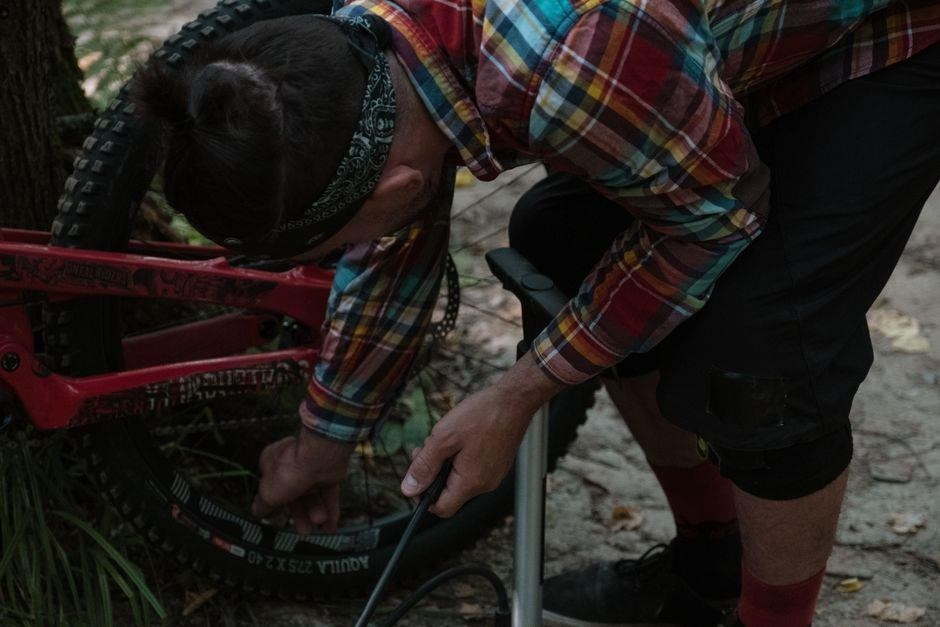
Before using the Bell Air Attack 350, inspect the barrel for cracks, ensure the valve head is clean, and verify the dual‑scale gauge reads zero. Now Place the pump on a surface, lock the foot lever, and verify the valve type for compatibility OK!
Safety Precautions
Before operating the Bell Air Attack 350, follow these safety steps to protect yourself and maintain pump integrity. First, ensure the pump is placed on a stable, level surface to avoid tipping. Check the barrel for cracks or dents; any damage can lead to sudden pressure release. Verify that the foot‑lever lock is engaged before starting to pump, and that the valve head is clean and free of debris. When attaching to a Presta valve, use the reversible head and secure it firmly; for Schrader valves, confirm the head is set to the correct position. Never force the head onto a damaged valve, as this can rupture the valve or the pump. Keep the pump away from children and pets during use. Store the pump in a dry, cool place to prevent corrosion. If you notice any unusual noise or resistance while pumping, stop immediately and inspect for leaks or blockages. Finally, after use, release any stored pressure by pulling the foot‑lever up, and store the pump with the head closed to prevent accidental inflation. Following these precautions ensures safe, efficient operation and prolongs the life of your Bell Air Attack 350 pump. By adhering to these guidelines, users can avoid accidents, extend pump lifespan, and enjoy reliable performance.
Required Tools and Accessories
To operate the Bell Air Attack 350 efficiently, gather the following items: a clean, dry work surface; a set of compatible Presta and Schrader adapters; a small brush for valve cleaning; a pressure gauge (optional but recommended for precise PSI readings); a storage pouch or case for the pump; and a quick‑release foot lever lock indicator. Ensure the adapters fit snugly on the pump head to prevent air leaks. The brush helps remove dirt from valve stems, reducing friction and extending pump life. If you plan to travel, pack the pump in a padded case to avoid damage. Keep the pressure gauge calibrated; an inaccurate gauge can mislead you about tire inflation levels. The foot lever lock indicator should be checked before each use to confirm the lever is fully engaged. By assembling these tools and accessories beforehand, you can streamline the inflation process, maintain safety, and preserve the pump’s durability over time.
Keep a spare valve core and repair patches handy for quick fixes. A foldable footrest improves ergonomics during long sessions. Regularly inspect the foot lever lock for wear; a loose lock can lead to accidental inflation or loss of pressure during transport.!!!
Pump Operation Basics
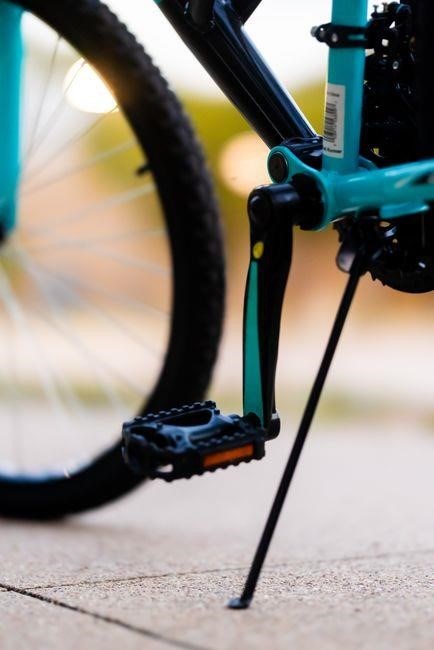
Start by locking the foot lever, then place the pump head on the valve. Push the lever down to engage, pull up to release. Repeat strokes until desired PSI. Use the built‑in gauge for accuracy. Keep the barrel clean for optimal flow. smooth flow.
Attaching to Presta Valves
To attach the Bell Air Attack 350 to a Presta valve, first ensure the pump head is set to the Presta position by rotating the reversible head until the small pin aligns with the valve. Gently press the pump head onto the valve stem, making sure the pin sits flush against the valve’s top. Lock the foot lever in the down position to secure the head. Once locked, lift the lever to release the lock and begin pumping. The pump’s wide barrel allows for a smooth stroke, while the integrated pressure gauge displays PSI in real time. If the valve is capped, remove the cap before attaching. For best results, keep the valve clean and dry; any debris can impede the seal. The Bell Air Attack 350’s ergonomic handle provides a firm grip, reducing hand fatigue during extended inflation sessions. After pumping, re‑cap the valve, lock foot lever, and check for leaks to ensure tire performance during rides steady!
Attaching to Schrader Valves
To attach the Bell Air Attack 350 to a Schrader valve, first set the reversible pump head to the Schrader position by rotating the head until the large pin aligns with the valve. Place the head firmly on the valve stem, ensuring the pin sits snugly against the valve’s top. Lock the foot lever in the down position to secure the head. Once locked, lift the lever to release the lock and begin pumping. The pump’s wide barrel allows for a smooth stroke, while the integrated pressure gauge displays PSI in real time. If the valve is capped, remove the cap before attaching. For best results, keep the valve clean and dry; any debris can impede the seal. The Bell Air Attack 350’s ergonomic handle provides a firm grip, reducing hand fatigue during extended inflation sessions. After pumping, re‑cap the valve, lock foot lever, and check for leaks to ensure tire performance during rides steady! Remember to inspect the valve for any damage before use, and never exceed the maximum PSI rating indicated on the pump. If you notice any resistance, stop immediately and check for leaks or valve obstruction. Store the pump in a dry place to prevent rust and keep the rubber foot pads clean for optimal grip. Keep it clean daily.

Pumping Techniques
Use the Bell Air Attack 350’s wide‑barrel for rapid inflation. Position the head on the valve, lock the foot lever, then lift the lever to release. Pump in smooth, even strokes, monitoring the gauge. Finish by re‑capping the valve carefully before
One-Handed Operation Tips
The Bell Air Attack 350 floor pump is engineered for one‑handed operation, making quick inflation effortless. First, position the wide‑barrel head onto the Presta or Schrader valve. For Presta, use the built‑in adapter; for Schrader, the head is pre‑set. Lock the foot lever by pushing it down, then lift it to release. While the lever is locked, lift the pump head to create a vacuum that draws air into the barrel. Each stroke should be smooth and allowing the pump to maintain pressure without over‑exertion. The pump’s ergonomic foot rest supports your foot, freeing your other hand to adjust the valve cap or monitor the gauge. When the desired PSI is reached, lock the lever again, remove the head, and quickly cap the valve to prevent air loss. Practice a few strokes to build rhythm, and remember to keep the pump head perpendicular to the valve for optimal airflow. By mastering these techniques, riders can maintain consistent tire pressure on the go, reduce the risk of flats, and enjoy smoother rides, all while keeping the pump compact and ready for any emergency situation. and keep it within reach for adjustments today? Remember to always keep the pump’s foot rest snug to avoid slippage during vigorous pumping!!
Maximizing Pump Efficiency
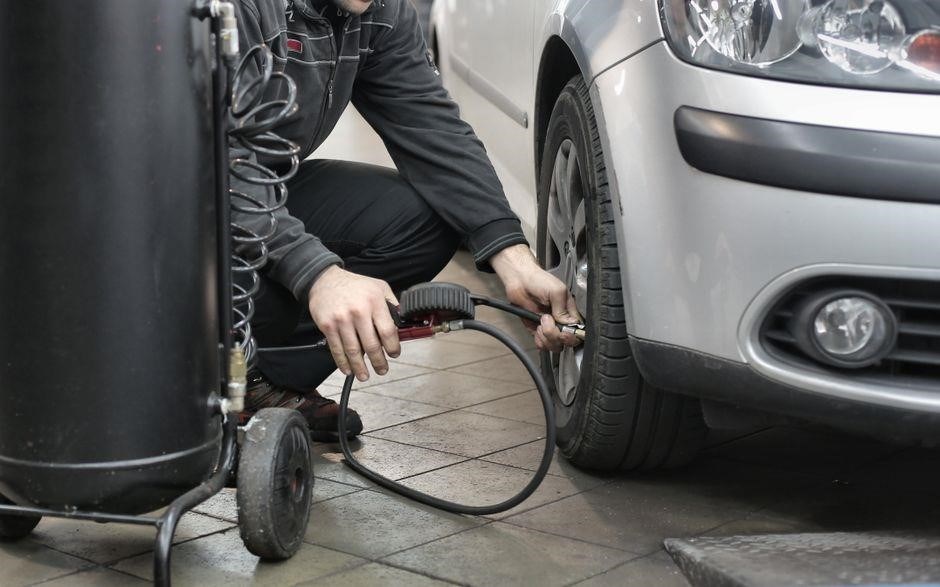
To get the most out of the Bell Air Attack 350, start by ensuring the pump head is snugly seated on the valve. Use the built‑in adapter for Presta valves; for Schrader, the head is pre‑set. Lock the foot lever before each stroke to create a vacuum that pulls air into the barrel. Keep the lever locked and lift the head in a steady, rhythmic motion. The wide‑barrel design reduces resistance, so each stroke delivers more air than a narrow‑barrel pump. Use the foot rest to maintain a stable stance; a firm foot reduces back‑pressure and allows the pump to work more efficiently. Monitor the gauge frequently; stop pumping once the target PSI is reached to avoid over‑inflation. After inflating, lock the lever and remove the head quickly to prevent air loss. For long rides, carry a spare valve adapter and a small cleaning cloth to keep seals dry. By combining a solid grip, proper lever use, and regular gauge checks, riders can inflate tires faster, reduce fatigue, and maintain optimal tire pressure for better handling and safety. Remember to keep the pump in a dry place to preserve the internal seals and extend its lifespan.
Maintenance and Troubleshooting
Clean the barrel with a dry cloth, check for leaks, replace worn O‑rings, and lubricate the pump head. If pressure stalls, ensure the valve is fully seated and the foot lever is locked. Store in a dry place. Check the pump’s spring tension and adjust if so
Cleaning the Pump Barrel
To keep the bell air attack 350 pump operating smoothly, begin by removing any debris from the barrel. Use a soft, dry cloth or a microfiber wipe to gently wipe the inside of the barrel, ensuring no dust or grit remains that could impede airflow. After cleaning, inspect the barrel for any signs of wear or cracks; a damaged barrel can lead to pressure loss. Next, check the O‑rings that seal the pump head. If they appear worn or brittle, replace them with new ones to maintain a proper seal. Lubricate the pump head’s pivot point with a light oil or silicone spray; this reduces friction and allows the lever to move freely. Verify that the valve is fully seated on the pump head before each use; an improperly seated valve can cause leaks. The foot lever should be locked in the down position during pumping; if it slips, the pump may not build pressure efficiently. Finally, store the pump in a dry, cool place, preferably in its original case or a padded pouch, to protect it from moisture and impact. Periodically check the spring tension in the pump head; if the lever feels sluggish, adjust the tension screw or replace the spring to restore optimal performance. Keep the pump in a dryarea toper rustavoidmoisture!!!!!!!!

Storage and Transport
Compact Storage Solutions

Long-Term Care
Common Issues and Fixes
Common problems with the Bell Air Attack 350 floor pump often stem from valve mis‑alignment, worn O‑rings, or a loose foot lever. If the pump head does not seal against a Presta or Schrader valve, pressure will drop and the tire will not inflate properly. The first step is to ensure the valve is fully seated; press the head firmly onto the valve and lock the lever in the down position. If the seal remains poor, inspect the O‑ring for cracks or hardening; replace it with a new one from the manufacturer’s spare kit. Another frequent issue is a slipping foot lever, which prevents the pump from building pressure. Tighten the foot lever’s locking screw or replace the worn pivot pin. Debris inside the barrel can also restrict airflow; clean the barrel with a dry microfiber cloth and check for any foreign objects. Finally, a weak spring in the pump head can reduce pumping efficiency. Test the spring tension by lifting the lever; if it feels sluggish, adjust the tension screw or replace the spring. Following these steps will restore reliable performance and extend the pump’s lifespan. Use the manual’s troubleshooting guide for detailed error codes and additional maintenance tips. Keep the pump sealed and store it dry now.
Keep the Bell Air Attack 350 pump in a dry, dust‑free place. After use, wipe the barrel, secure the foot lever, and store it in its original case or a padded pouch. Avoid stacking heavy items on top to prevent barrel damage. Lock lever when idle.
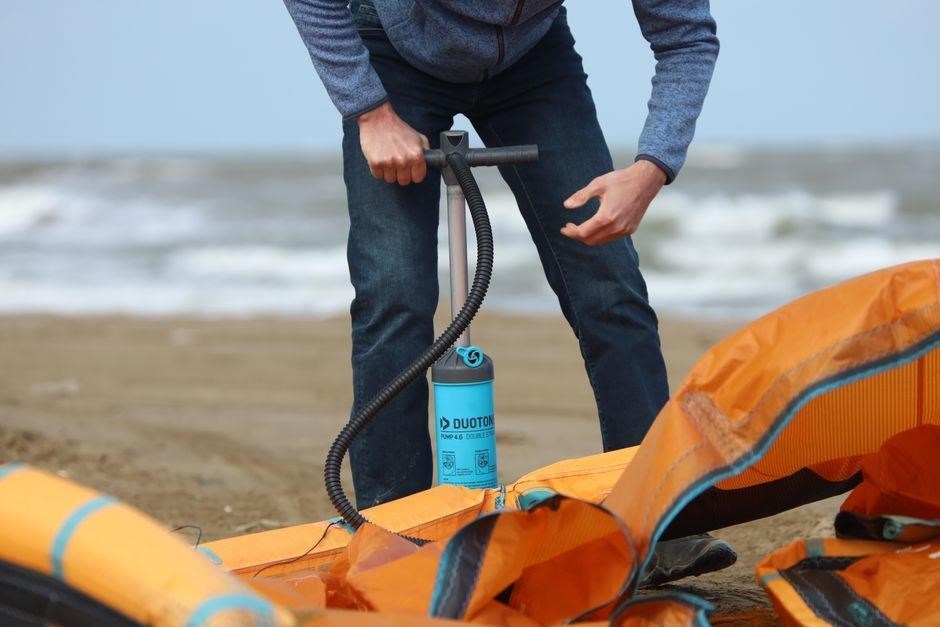
When storing the Bell Air Attack 350, consider a dedicated compartment in your bike bag or a small padded pouch. The pump’s lightweight design allows it to fit in a rear rack pocket or a front basket without adding bulk. Before packing, ensure the foot lever is fully retracted and the barrel is clean. Use a microfiber cloth to wipe any debris. For long‑term storage, place the pump in a breathable bag to avoid moisture buildup. If you travel by car, secure the pump in a padded case, and keep it in a low‑temperature area to prevent rubber parts from stiffening. For backpacking, attach the pump to a frame mount or use a quick‑release strap that keeps it within easy reach while protecting it from impact. Regularly inspect the valve head for wear, and replace the rubber sleeve if it shows signs of cracking. By following these compact storage strategies, you preserve the pump’s longevity and ensure it’s ready for the next ride.
Store the pump in a padded case or a dedicated pocket, ensuring the foot lever is locked. Keep the barrel clean with a microfiber cloth. For long trips, attach it to a frame mount or use a release strap Inspect the valve head regularly for wear and replace the rubber sleeve if needed.
To preserve the Bell Air Attack 350’s performance over time, follow these steps: 1. Store the pump in a cool, dry place, away from direct sunlight and extreme temperatures. 2. Keep the barrel and foot lever clean by wiping with a damp cloth after each use. 3. Inspect the rubber sleeve on the valve head regularly; replace it every 12 months or when it shows signs of wear. 4. Lubricate the foot lever pivot with a light silicone spray to maintain smooth operation. 5. Periodically check the lock lever for proper engagement; if it feels loose, tighten the set screw or replace the lever. 6. Avoid over‑inflating tires beyond the pump’s 160 PSI rating to prevent barrel stress. 7. If the pump is not used for several months, perform a test pump cycle to ensure the mechanism remains free of debris. By adhering to these maintenance practices, you extend the pump’s lifespan and ensure reliable performance whenever you hit the road or trail.
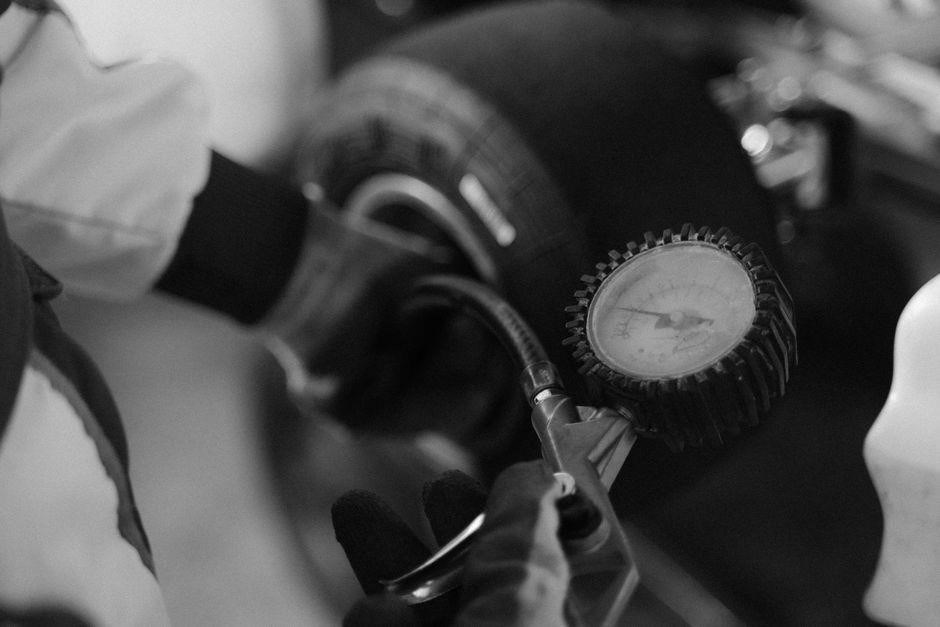
Store the pump in a moisture‑proof pouch, and periodically check the foot lever’s pivot for looseness. If the barrel shows cracks, replace it immediately to avoid leaks. Keep the valve head clean with a dry cloth before each use to maintain reliability. Keep it dry for longevity. and safe!!OK