
Discover the essential guide to diamond necklaces, presented in a downloadable PDF format․ This resource covers design, quality, and care, helping enthusiasts and buyers make informed choices․ Dive into expert insights and elevate your jewelry knowledge effortlessly․ Perfect for any occasion․ Now․
The Diamond Necklace PDF is a comprehensive digital handbook that consolidates expert knowledge on diamond necklaces into an easily accessible format․ Designed for both novices and seasoned collectors, it offers a wealth of information ranging from the fundamentals of diamond quality—such as cut, color, clarity, and carat—to the intricacies of design styles, metal options, and setting techniques․ The guide is structured to walk the reader through each critical decision point: selecting the right diamond, understanding grading reports, evaluating metal types, and recognizing the impact of design on overall value․ It also delves into practical aspects like proper care, cleaning methods, and storage solutions to preserve brilliance over time․ By presenting this information in a PDF, the resource ensures portability and instant availability, allowing users to reference it on the go, during showroom visits, or while researching online․ The document’s layout emphasizes clarity, with visual aids, comparison tables, and step‑by‑step instructions that demystify the buying process․ Whether you’re planning a special purchase, gifting a timeless piece, or simply expanding your jewelry knowledge, the Diamond Necklace PDF serves as a reliable reference that balances technical detail with user-friendly guidance․ Its value lies in the convenience of having a single, authoritative source that covers every facet of diamond necklaces—from the sparkle of the stones to the subtle nuances of craftsmanship—making it an indispensable tool for anyone seeking to understand or acquire a diamond necklace with confidence and insight․
It also offers reference chart of popular settings and a guide for common maintenance to preserve brilliance and keep it new
Purpose and Audience
The Diamond Necklace PDF is a concise guide that demystifies diamond jewelry for a wide audience․ It translates technical gemology into clear language, enabling readers to understand grading terms and design styles․ By presenting complex concepts simply, the guide empowers buyers to make confident decisions when selecting a piece that balances beauty, durability, and value․
Targeted at first‑time buyers and industry professionals, the PDF offers layered content that adapts to varying levels of expertise․ Introductory sections cover the fundamentals of cut, color, clarity, and carat, while advanced chapters explore setting mechanics, metal alloys, and lighting effects․ Interactive elements such as comparison tables and illustrative diagrams enhance understanding․
Designed for use, the document serves as a resource for jewelers and retailers․ It includes a cheat sheet of key grading metrics, a glossary of common terms, a QR code linking to an online video tutorial, and a maintenance section with cleaning instructions․ Its user‑friendly layout ensures easy navigation․
Ultimately, the Diamond Necklace PDF is more than a static manual; it is an educational tool that adapts to the evolving needs of its audience․ Whether you are purchasing your first diamond necklace, expanding a collection, or deepening professional knowledge, this guide illuminates every step of the journey, fostering confidence, clarity, and appreciation for the artistry behind each sparkling piece․ Enjoy the sparkle and confidence!!
Types of Diamond Necklaces
Explore the spectrum of diamond necklaces, from timeless solitaires to bold statement pieces․ Each style reflects personal flair, occasion, and budget․ Discover how design, setting, and metal choice shape the look, guiding you to the perfect sparkle for any moment․ Let the brilliance guide your choice․

Solitaire Necklaces
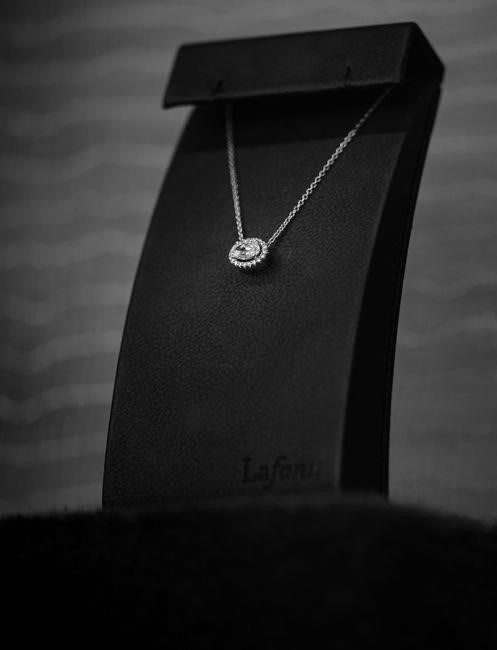
Solitaire necklaces showcase a single diamond as the focal point, offering a classic and understated elegance that transcends trends․ The stone is typically set in a simple prong or bezel, allowing maximum light entry and brilliance․ These pieces come in various lengths—from delicate 18‑inch chains to longer 24‑inch styles—catering to different necklines and personal preferences․ The choice of metal—gold, white gold, or platinum—affects both the aesthetic and durability․ A lighter metal accentuates the diamond’s sparkle, while a lighter metal accentuates the diamond’s sparkle, but a subtle contrast․ Many solitaire designs feature a single diamond set in a classic four‑prong setting, but variations such as a three‑prong or a unique halo arrangement can add subtle flair․ When selecting a solitaire necklace, consider the intended use: a subtle everyday piece, a statement for special occasions, or a heirloom that can be passed down․ Proper care involves gentle cleaning with mild soap and water, avoiding harsh chemicals, and storing the necklace in a soft pouch to prevent scratches․ A well‑chosen solitaire necklace not only highlights the diamond’s natural beauty but also serves as a versatile accessory that can be paired with both casual and formal attire․ Its timeless appeal ensures it remains a cherished addition to any jewelry collection for years to come․ A true heirloom․ A timeless treasure for all․!
Statement Pieces
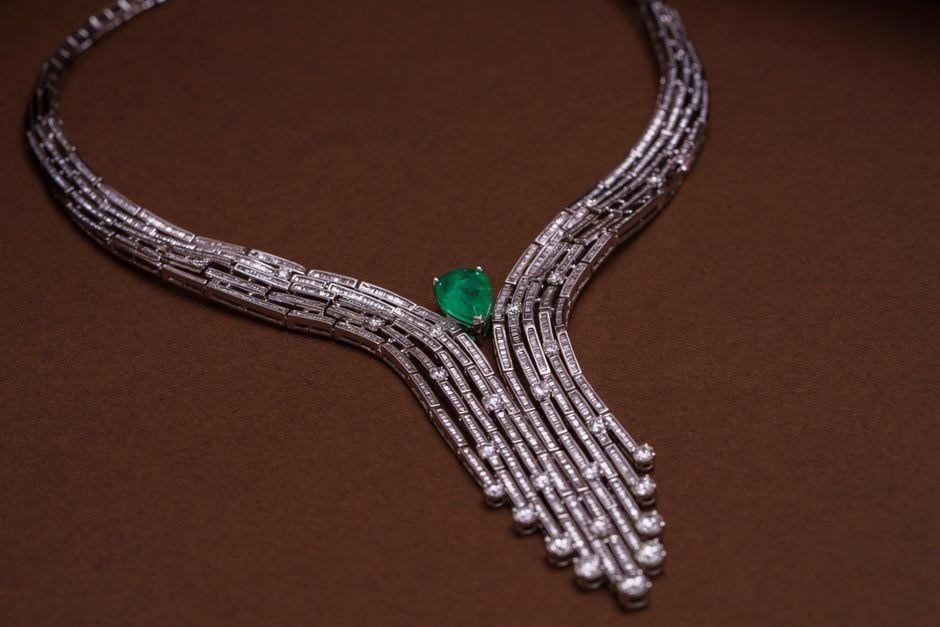
Statement diamond necklaces are designed to capture attention, often featuring multiple stones or intricate settings that create a bold visual impact․ These pieces can range from chunky, geometric shapes to flowing, cascading designs that drape elegantly over the collarbone․ The diamonds may be set in a cluster, a halo, or a dramatic bar, each arrangement amplifying the sparkle and drawing the eye․ Designers frequently combine diamonds with other precious materials—such as sapphires, rubies, or pearls—to add color contrast and depth․ The choice of metal, whether bright white gold, warm yellow gold, or sleek platinum, further influences the overall aesthetic, providing a complementary backdrop that enhances the brilliance of the diamonds․ Statement necklaces are versatile in their wearability; they can be paired with a simple blouse for a touch of luxury or layered over a delicate chain for a more eclectic look․ Proper care is essential to maintain their allure: clean with a soft cloth, avoid exposure to harsh chemicals, and store separately from other jewelry to prevent scratches․ When selecting a statement piece, consider the neckline of your outfit, the occasion’s formality, and your personal style to ensure the necklace becomes a focal point rather than a distraction․ A well‑chosen statement necklace can transform an ordinary ensemble into a memorable, head‑turning look that showcases confidence and sophistication․ Elevate your style with a striking statement necklace, and let every moment shine for nights!!
Composition and Quality
Explore the intricate blend of diamond cut, clarity, and metal setting that defines a necklace’s value․ Understand how cut enhances brilliance, clarity affects sparkle, and metal choice influences durability․ Learn to assess quality for lasting elegance․————————
Diamond Cuts and Clarity
In the PDF, the section on diamond cuts explains how each cut—round, princess, cushion, emerald, and more—affects light return and overall brilliance․ The guide details the 4Cs, emphasizing that cut quality is the single most influential factor in a necklace’s sparkle․ It includes a visual comparison chart, showing how a well‑cut round can outshine a larger, poorly cut stone․

In the PDF, clarity is addressed through a clear grading system, from flawless to included․ The PDF illustrates how inclusions can be hidden or highlighted depending on cut and setting․ Readers learn to distinguish between visible and invisible flaws, and how to evaluate a diamond’s clarity under magnification․ Practical tips for identifying inclusions are provided, including a step‑by‑step magnifier test․
Together, cut and clarity form the foundation of a necklace’s aesthetic value․ The PDF encourages buyers to prioritize cut for maximum brilliance, then choose a clarity level that balances visual appeal with budget․ By understanding these parameters, shoppers can confidently select a diamond that meets both their style and financial goals․
Use the PDF’s comparison tables to evaluate how a 0․50‑carat round compares to a 0․60‑carat cushion in terms of light performance․ The guide includes sample images, clarity charts, and a quick‑reference cheat sheet․ By reviewing these side‑by‑side visuals, you can spot subtle differences and make an informed purchase decision․ This resource highlights grading nuances and offers a lookup tool!!․
Metal Types and Settings
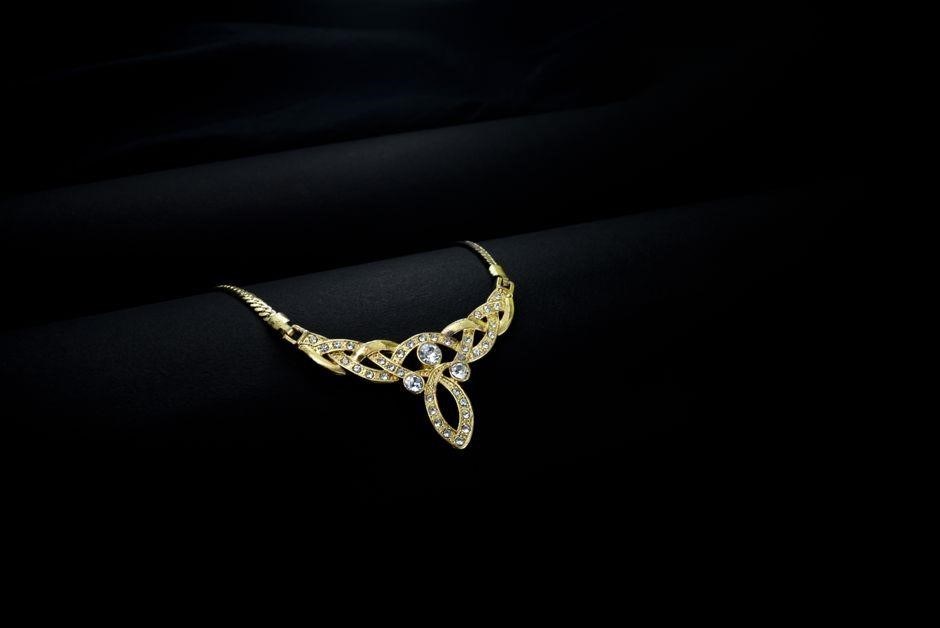
Metal selection shapes a necklace’s character, durability, and price․ The PDF explains the most common metals—gold (yellow, white, rose), platinum, and titanium—highlighting each metal’s pros and cons․ Gold offers warmth and classic appeal, while white gold mimics platinum’s sleek look at a lower cost․ Platinum provides unmatched strength and hypoallergenic properties, making it ideal for daily wear․ Titanium, though less traditional, offers lightweight comfort and a modern aesthetic․
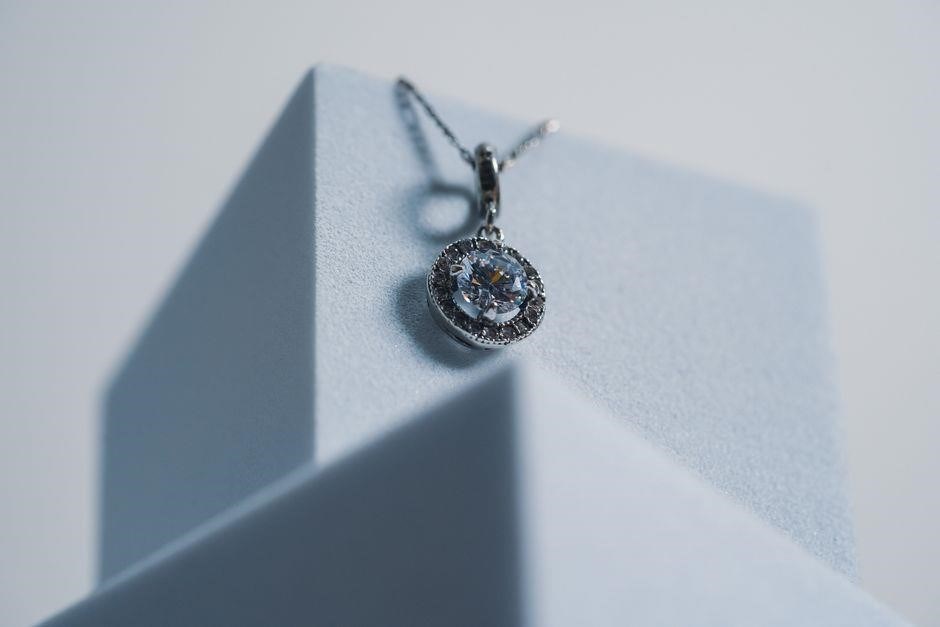
Settings determine how a diamond’s light is captured and displayed․ The PDF details popular settings: prong, bezel, channel, and pave․ Prong settings allow maximum light entry, enhancing brilliance, but require careful maintenance․ Bezel settings encircle the stone, offering protection and a clean look․ Channel settings create a continuous line of diamonds, ideal for a subtle sparkle, while pave settings scatter small stones across the band for maximum fire․
The guide also covers hybrid settings, such as a combination of bezel and prong, which balance protection and brilliance․ It explains how setting width and stone size influence overall design, and offers visual examples of each style․ By comparing setting types, readers can match a necklace’s style to their personal taste and lifestyle, ensuring both beauty and practicality․
Readers should consider how metal and setting interact: a lighter metal highlights a larger stone, while a heavier metal anchors designtoday!
Care and Maintenance
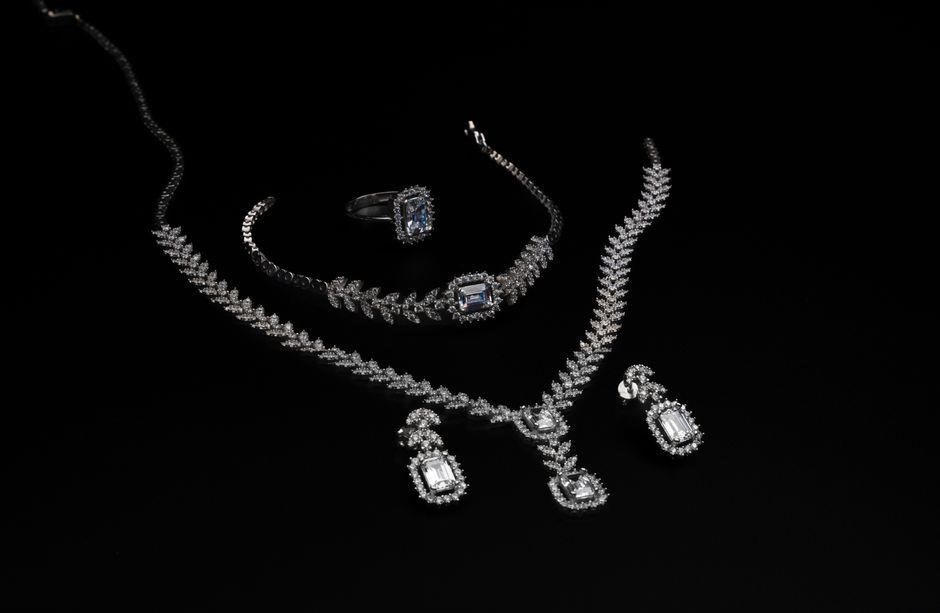
Keep your diamond necklace pristine by cleaning with mild soap and warm water, gently brushing with a soft cloth․ Store it separately in a padded case to avoid scratches․ Regular inspections by a jeweler ensure settings stay secure, preserving brilliance․ Care daily Keep․
Cleaning Techniques
Maintaining a diamond necklace’s sparkle involves gentle, regular cleaning․ Start by preparing a mild solution: 1 cup of warm water with a drop of dish soap․ Submerge the necklace for 10–15 minutes, allowing the solution to loosen grime without damaging settings․ After soaking, use a soft-bristle toothbrush to lightly brush the facets and the metal․ Rinse thoroughly under lukewarm water, then pat dry with a microfiber cloth․ Avoid harsh chemicals, abrasive sponges, or ultrasonic cleaners, as they can dull the diamond’s brilliance or loosen prongs․ For deeper polish, consider a professional jeweler’s cleaning kit, which typically contains a gentle polishing paste and a microfiber buffer․ Apply the paste sparingly, moving in a circular motion over each facet, then wipe clean; When the necklace is dry, store it in a soft pouch or a dedicated jewelry box․ This prevents scratches and keeps the setting free from dust․ Regular cleaning—once a month for everyday wearers, twice a year for occasional wearers—ensures that the diamond’s fire remains vivid and the metal stays lustrous․ Remember: the key to longevity is gentle handling, proper storage, and periodic professional inspection․ Follow these steps consistently, and your diamond necklace will retain its dazzling allure for generations to come․ With proper care, the sparkle will never fade, and the necklace remains a treasured heirloom for your family․ Remember, a well‑maintained diamond necklace not only shines but also carries the stories of those who cherished it․ Thank you!
Storage Tips
Storing a diamond necklace properly preserves its brilliance and prevents damage․ First, wrap the chain in a soft, lint‑free cloth or place it in a dedicated jewelry pouch to shield it from scratches․ Avoid hanging the necklace on metal hooks; instead, lay it flat or coil it loosely, ensuring the setting remains secure․ Keep the necklace in a cool, dry environment away from direct sunlight, which can fade any surrounding gemstones or the metal’s finish․ Store it separately from other jewelry pieces, especially those with rough surfaces, to prevent accidental scratching․ Use a small anti‑tarnish bag or a piece of cedar wood to absorb excess moisture and reduce oxidation․ For long‑term storage, consider a velvet-lined jewelry box with individual compartments․ Label the box or compartment with the necklace’s description for easy identification․ Periodically inspect the setting and chain for any looseness or wear, tightening or replacing parts as needed․ If the necklace will be stored for extended periods, clean it beforehand to remove oils and debris that can attract dust․ By following these simple steps, you ensure that the diamond’s sparkle remains intact and the necklace stays in pristine condition for years to come․ Remember to keep the necklace away from harsh chemicals, extreme temperatures, and prolonged exposure to moisture, as these conditions can dull the diamond’s brilliance and tarnish the metal․ Regular gentle care ensures lasting beauty․ Treat it with care, and it will shine for a lifetime and sparkle always․
Buying Guide
Use this PDF to compare styles, prices, and certifications․ Prioritize reputable sellers, verify diamond grading reports, and assess metal quality․ Set a realistic budget, read return policies, and trust trusted experts for confident purchases․Always authenticity for elegance ․
Budgeting and Pricing
Use the PDF to set a realistic budget․ First, determine your spending limit based on finances and the necklace’s purpose—daily or special․ Next, break down the cost into key components: the diamond’s carat weight, cut, color, and clarity; the metal type and finish; and the setting design․ Use the PDF’s comparison tables to see how each factor influences price, and note that a higher carat weight often carries a steep price increase, while a flawless cut can command a premium․ Additionally, factor in the cost of certification—certified diamonds from reputable labs such as GIA or AGS typically cost more but provide assurance of authenticity․ The PDF also highlights typical price ranges for each diamond grade, helping you compare options without overspending․ Additionally, it provides a quick reference chart for metal prices per gram, so you can instantly see how the choice of platinum versus gold affects the total cost․
The PDF also includes a detailed cost calculator that allows you to input different combinations of carat, cut, color, and clarity to see real‑time price estimates․ Remember that the metal choice—platinum, 18‑k gold, or rose gold—can significantly affect the overall price; the PDF lists average costs per gram for each metal type․
Finally, set aside a contingency budget for future maintenance or insurance, which can be a significant expense․ The PDF recommends allocating 5–10% of the purchase price for annual insurance premiums and routine cleaning․ By following these steps, you can confidently allocate funds and avoid overspending while still acquiring a stunning, high‑quality diamond necklace that offers lasting value
Authenticity and Certification
When purchasing a diamond necklace, certification is the cornerstone of trust․ Reputable labs such as the Gemological Institute of America (GIA), the American Gem Society (AGS), and the International Gemological Institute (IGI) provide independent grading reports that detail a diamond’s cut, color, clarity, and carat weight․ These reports, often stamped with a unique certificate number, serve as verifiable proof of authenticity and your investment․ A certified diamond guarantees that the gem has been examined by a qualified gemologist using standardized criteria, eliminating the risk of misrepresentation․ The PDF includes a side‑by‑side comparison of GIA, AGS, and IGI certificates, highlighting key differences in grading scales and the level of detail provided․ It also explains how to verify a certificate’s authenticity by checking the lab’s official website and cross‑referencing the certificate number․ Additionally, the guide offers a checklist for buyers: ensure the report is in the buyer’s name, verify the diamond’s dimensions, and confirm that the setting’s metal type matches the description․ The PDF also covers the importance of a “clean” certificate—one that has not been altered or tampered with—and how to spot common red flags such as missing serial numbers or inconsistent grading․ By following these steps, you can confidently purchase a diamond necklace that is not only stunning but also fully authenticated and backed by a trusted grading authority․
Moreover, buyers should verify that the certificate includes a laser inscription of the diamond’s ID, which can be cross‑checked with the lab’s database security !